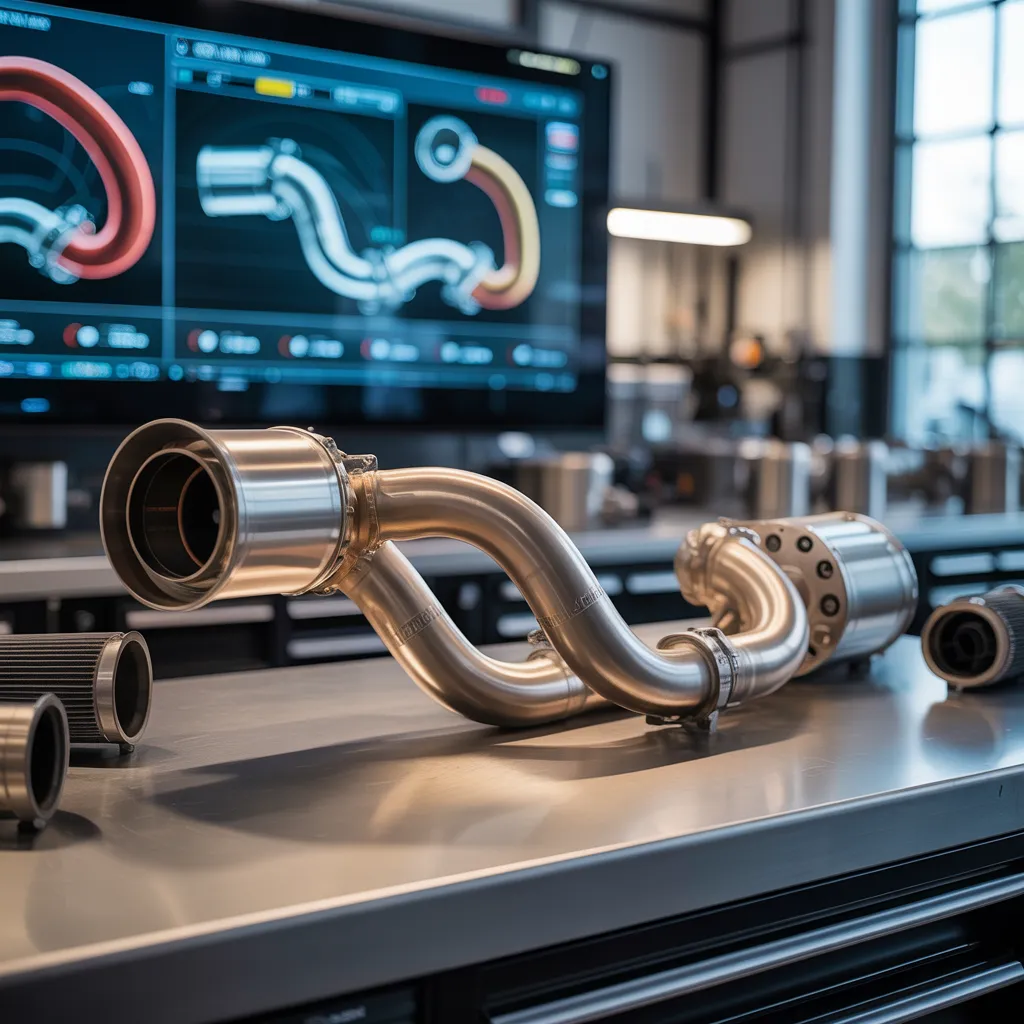
Lightweight Titanium Valved Exhaust System for Performance Vehicles
Why Prefer OEM Car Parts? Maximize Your Vehicle's Longevity and Reliability
Choosing OEM car parts can significantly impact vehicle performance and durability. These components are fashioned to meet stringent manufacturer guidelines, confirming a precise fit and ideal function. By emphasizing OEM parts, owners can advance consistency and lower the risk of subsequent repairs. However, the resolution between OEM and aftermarket possibilities often sparks uncertainties. What aspects should be reviewed when making this choice? Recognizing the outcomes can lead to more astute decisions.
The Role of OEM Parts for Your Car
When looking at vehicle maintenance, many owners dismiss the criticality of using OEM (Original Equipment Manufacturer) parts. These components are deliberately fashioned to meet the manufacturer standards of the vehicle, ensuring suitable fit and maximum performance. Unlike aftermarket parts, which may fluctuate in quality and fit, OEM parts offer a steadfast solution that respects the manufacturer's standards. This conformity not only enables sound function but also protects the vehicle's warranty coverage.
Furthermore, utilizing OEM parts can contribute to the vehicle's longevity. These parts are manufactured from premium materials, engineered for strength and longevity. As a result, they often result in fewer repairs and replacements over time. In addition, the use of OEM parts can also improve market worth, as potential purchasers tend to prefer vehicles serviced with authentic parts. Overall, the importance of OEM parts cannot be overstated, as they play a critical role in automotive upkeep and dependability.
OEM parts are designed with exact precision, ensuring peak performance and reliability for vehicles. Their guaranteed compatibility with designated vehicle makes and models improves vehicle safety by minimizing the risk of malfunction. Moreover, many OEM parts feature innovative safety technology that promote comprehensive vehicle safeguarding.
Precision Fabrication Advantages
Precision manufacturing of OEM car parts is key to enhancing vehicle performance and safety by guaranteeing that each component meets the precise specifications set by the manufacturer. These parts are developed with meticulous focus, allowing for flawless integration with existing systems. As a consequence, vehicles equipped with OEM components benefit from improved handling, responsiveness, and a better overall driving experience. The robustness of these parts also enhances safety, reducing the chance of failures that could cause accidents. In addition, OEM parts undergo rigorous testing to meet safety standards, giving drivers peace of mind. By opting for precision-engineered OEM parts, vehicle owners can ensure superior functionality and reliability, ultimately extending the life of their vehicles while prioritizing safety on the road.
Confirmed Compatibility Warranty
The integration of OEM car parts ensures consistency with a vehicle's existing systems, a factor that considerably enhances both efficiency and safety. These parts are engineered to meet the exact specifications set by the manufacturer, guaranteeing seamless incorporation. This accuracy decreases the probability of malfunctions that can result from using non-OEM components, which may not fit or fit properly. By preserving the initial design and engineering standards, OEM parts help preserve the vehicle's intended performance, resulting in improved performance and reliability. Additionally, this compatibility minimizes the risk of wear and tear on other components, thereby prolonging the vehicle's lifespan. Ultimately, choosing OEM parts promotes a more dependable driving experience while guaranteeing that all systems operate harmoniously.
Advanced Security Functions
Opting for OEM car parts considerably enhances protective systems in cars. OEM parts are manufactured precisely for each vehicle model, guaranteeing optimal fit and function. This precision helps maintain vital safety systems such as braking, steering, and airbag deployment. For instance, OEM brake pads offer consistent stopping power, decreasing the risk of accidents. In addition, OEM parts pass through rigorous testing standards, confirming that they meet or surpass safety regulations. This reliability supports the total performance of safety mechanisms, ultimately shielding occupants during a collision. Moreover, using OEM components can avert secondary issues arising from incompatible aftermarket parts, confirming the vehicle operates as intended. Consequently, choosing OEM parts is a prudent choice for boosting both efficiency and safety.
Reasons to Select OEM Over Aftermarket Parts: A Detailed Examination
When evaluating vehicle maintenance and repairs, understanding the difference between OEM (Original Equipment Manufacturer) and aftermarket parts is vital. OEM parts are designed for a specific vehicle make and model to ensure perfect fit and performance. Conversely, aftermarket parts can vary in quality, compatibility, and performance because they are made by third-party manufacturers.
One key advantage of OEM parts is their adherence to stringent manufacturing standards, often producing higher durability and dependability. This can be especially important for critical components where paramount performance is required. Additionally, using OEM parts typically preserves the vehicle's warranty and resale value, as they maintain the manufacturer's specifications.
On the other hand, while replacement components may deliver price reductions, the potential risks include reduced quality and heightened probability of untimely malfunction. Therefore, vehicle owners must assess the merits of manufacturer-approved parts against the doubts of aftermarket options when making repair decisions.
Lasting Financial Benefits Through OEM Parts
Selecting OEM parts can result in substantial extended savings for vehicle owners. By lowering maintenance expenses and enhancing the car's resale value, these components provide monetary advantages that extend beyond the initial purchase. In the end, purchasing OEM parts may turn out to be a wise decision for those seeking to preserve their vehicle's condition and value.
Lowered Service Expenses
Purchasing OEM car parts can lead to significant long-term cost reductions by reducing repair expenses. OEM parts are engineered specifically for each vehicle model, guaranteeing a exact fit and excellent performance. This alignment reduces the risk of premature failures, which can occur from using aftermarket alternatives. By using OEM parts, vehicle owners often experience fewer malfunctions and repairs over time, leading to lower maintenance expenses. Additionally, these parts generally come with guarantees, providing additional financial coverage against defects. As a result, the initial investment in OEM parts can save money in the long run by decreasing the frequency and cost of repairs, allowing owners to enjoy a more reliable and cost-effective ownership experience.
Greater Resold Item Price
A vehicle's enhanced resale value often shows the caliber of its components, where OEM car parts play a essential role in maintaining that quality. Vehicle owners ensure that their cars maintain their condition and operation over time by using original equipment manufacturer parts. Vehicles that have a documented history of OEM parts are often preferred by prospective buyers because these components are made especially for the make and model, guaranteeing peak compatibility and reliability. Focusing on quality draws in buyers but also supports a higher asking price. In the long run, investing in OEM parts can generate significant financial returns, as a report well-maintained vehicle with genuine parts is more likely to command a premium in the resale market.
Lifting Your Vehicle's Resale Value With OEM Parts
Employing OEM parts can markedly improve a vehicle's market value, drawing in discerning buyers who prioritize quality and authenticity. When selling a vehicle, potential buyers often examine the parts used during upkeep and repairs. OEM parts, designed specifically for the vehicle, assure buyers of reliability and performance that aftermarket alternatives may not provide.
Furthermore, vehicles kept with OEM parts typically display superior general state, which can favorably impact buyer perception. Detailed service records showcasing the use of OEM components can also function as strong marketing advantages, strengthening the owner's commitment to quality care.
In markets where customer allegiance is substantial, vehicles equipped with OEM parts may command premium pricing. In the end, investing in OEM components not only enhances the car's functionality during ownership but also leads to a better resale outcome, making it a smart choice for upcoming sale factors.
Identifying Authentic OEM Elements for Your Automobile
How can one establish they are purchasing genuine OEM parts for their automobile? First, it is critical to verify the part's container and labels. Genuine OEM parts typically showcase the manufacturer's logo and part number, which can be checked with official registries. Additionally, acquiring from licensed retailers or approved service centers establishes the authenticity of the parts.
Another effective method is to consult the owner's manual for your vehicle, which provides specific part numbers and descriptions. Web-based resources and discussion boards focused on specific vehicle models can also offer insights into recognizing genuine OEM parts.
To conclude, examining the provider's image is important; trustworthy distributors often grant warranties or return policies for OEM parts. By sticking with these guidelines, vehicle owners can enhance their prospects of procuring genuine OEM parts, strengthening their vehicle's longevity and performance.
Wise Guidelines for Choosing OEM Parts Online and Offline
authorized distributors or official websites are often more secure options. Additionally, using VIN Vehicle Identification Number can help ascertain compatibility with the specific vehicle model.
For physical purchases, visiting local dealerships or certified auto parts stores can give direct access to genuine parts. It's also wise to compare prices and request warranties, as these can show reliability. Finally, keeping an eye out for return policies adds a layer of security, allowing returns if the parts do not meet expectations. By following these tips, buyers can confidently handle the OEM parts market, boosting their vehicle’s durability and performance.
Frequently Requested Questions
Can OEM Parts integrate with All different car models?
Original equipment manufacturer parts are customized for each vehicle model, ensuring ideal compatibility. However, they may not function universally across vehicles. It's vital to check compatibility with the vehicle's make and model before purchasing OEM parts.
Can I Verify a Part's OEM Authenticity?
To confirm a part's OEM authenticity, one should check the part number against the manufacturer's records, examine packaging for official branding, and contact authorized dealers or service centers for assurance of legitimacy.
What Warranty Options Are Available for OEM Parts?
OEM parts commonly include warranties ranging from one to three years, depending on the manufacturer. These warranties often cover against defects in materials and workmanship, offering assurance of quality and reliability for vehicle owners.
Do OEM Parts Available in Various Price Ranges?
OEM components exist in different pricing tiers, influenced by factors such as automobile model, component variety, and manufacturer. Buyers often find variations, enabling them to select options that align with their budget and needs.
Can I Install OEM Parts Myself, or Hire a Professional?
OEM parts can be installed by individuals with adequate mechanical skills, but engaging a specialist is often recommended for complicated setups. Professional mechanics guarantee proper fitting and functionality, enhancing the vehicle's safety and performance.